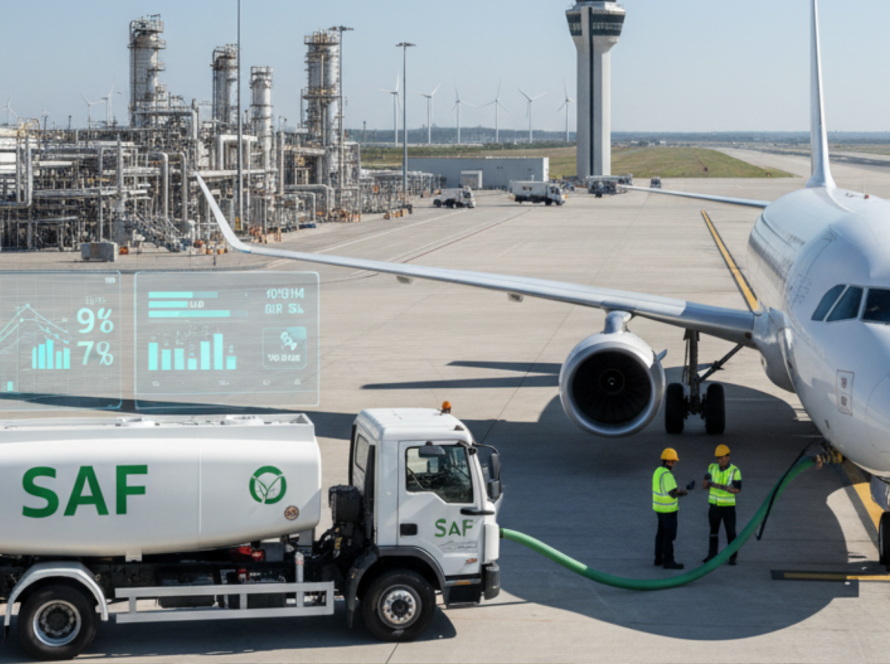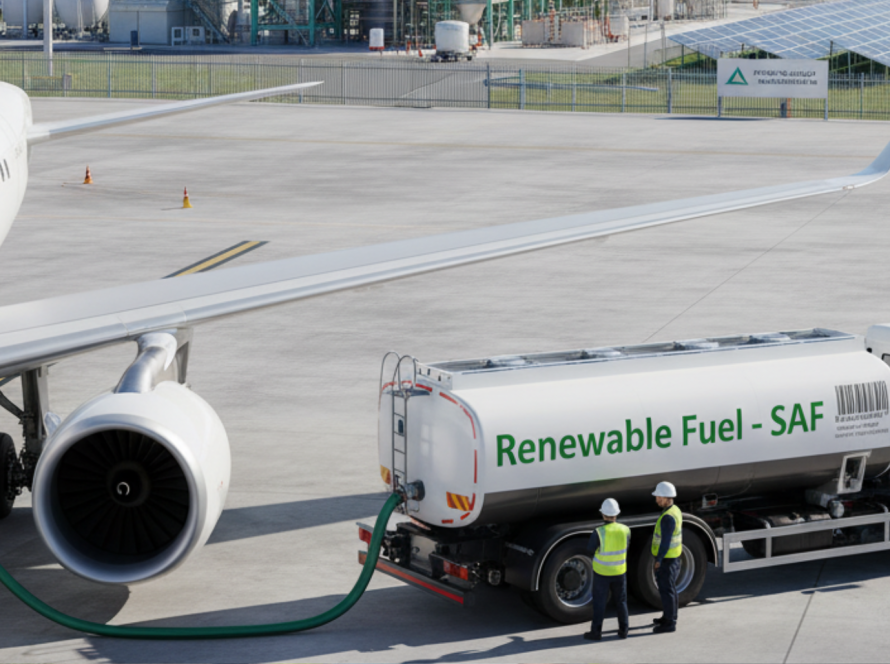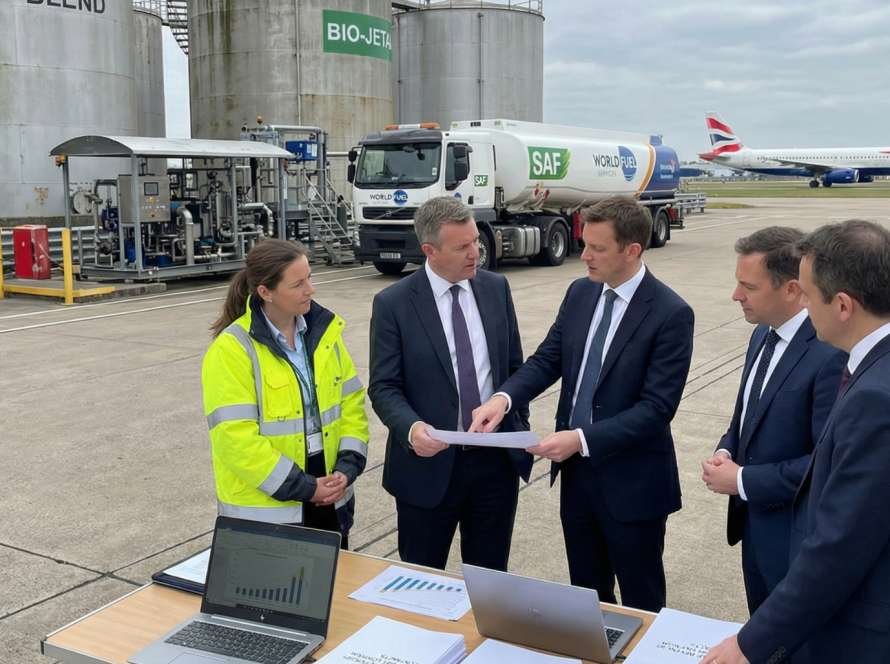

Thailand has formally entered a new era of sustainable aviation with the implementation of a 1% Sustainable Aviation Fuel (SAF) blend in Jet A-1 fuel starting January 1, 2026. The Department of Energy Business (DEB) has issued standards that classify jet fuel into three categories: conventional Jet A-1, co-hydroprocessed fuel, and Jet A-1 blended with SAF.
This strategic policy ensures that feedstocks and production comply with ASTM D7566, with initial SAF production limited to HEFA (Hydroprocessed Esters and Fatty Acids) technology, aligning with international standards and supporting Thailand’s carbon neutrality and net zero ambitions.
Strategic Importance of SAF for Thailand
Director-General Sarawut Kaewtathip emphasized that the SAF mandate not only reduces aviation emissions but also strengthens Thailand’s positioning as a regional aviation hub. The move aligns with ICAO’s global SAF initiatives, while following Europe’s precedent of mandated SAF blends.
Initial implementation will focus on Suvarnabhumi and Don Mueang airports, leveraging existing pipeline infrastructure to efficiently deliver low-carbon fuel. SAF adoption will start as voluntary, supported by MOUs with stakeholders, before transitioning to mandatory blending in future phases.
Read about How the UK Is De-Risking Investment in Sustainable Aviation Fuel
Domestic SAF Production Projects
Thailand’s SAF rollout is supported by active production projects:
- Bangchak Corporation: A HEFA-based SAF plant using used cooking oil, with a capacity of 1 million litres per day (6,289 barrels), slated for commercial operations in Q2 2026.
- PTT Global Chemical (GC): Producing SAF via co-processing HEFA, with an operational capacity of 16,438 litres per day (103 barrels).
Phased SAF Blending Roadmap: From Initial Deployment to Scaled Production
- 2026: 1% blend using HEFA
- 2027–2029: 1–2% blend to stabilize supply
- 2030–2032: 3–5% blend combining HEFA and AtJ (Alcohol-to-Jet)
- 2033 onwards: 5–8% blend, scaling production to 2.22 million litres/day by 2037
Economic and Strategic Implications
The government is establishing a SAF working group in 2026 to coordinate targets, incentives, and policies across public and private sectors. Potential financial support for airlines and technical assistance for feedstock farmers will accelerate adoption.
Thailand’s SAF strategy aims to:
- Reduce aviation emissions and fuel transport carbon intensity
- Support regional leadership in sustainable aviation
- Strengthen economic competitiveness, targeting top-five Asia-Pacific airfreight status by 2037
- Signal Thailand’s active participation in the growing green economy, particularly as Asia leads global SAF demand growth
Key Takeaways for Executives
- Early-mover Advantage: Thailand positions itself as a pioneer in SAF adoption in Southeast Asia.
- HEFA SAF Focus: Reliable feedstock and proven technology provide an actionable starting point for net zero aviation goals.
- Scalable Roadmap: Phase-wise SAF blending ensures supply chain stability and allows market adaptation.
- Strategic Economic Impact: SAF adoption supports aviation hub ambitions while stimulating domestic energy innovation.
Thailand’s SAF mandate marks a decisive step toward low-carbon aviation, demonstrating how regulatory leadership, technology deployment, and strategic planning can transform national transport emissions and strengthen global competitiveness.