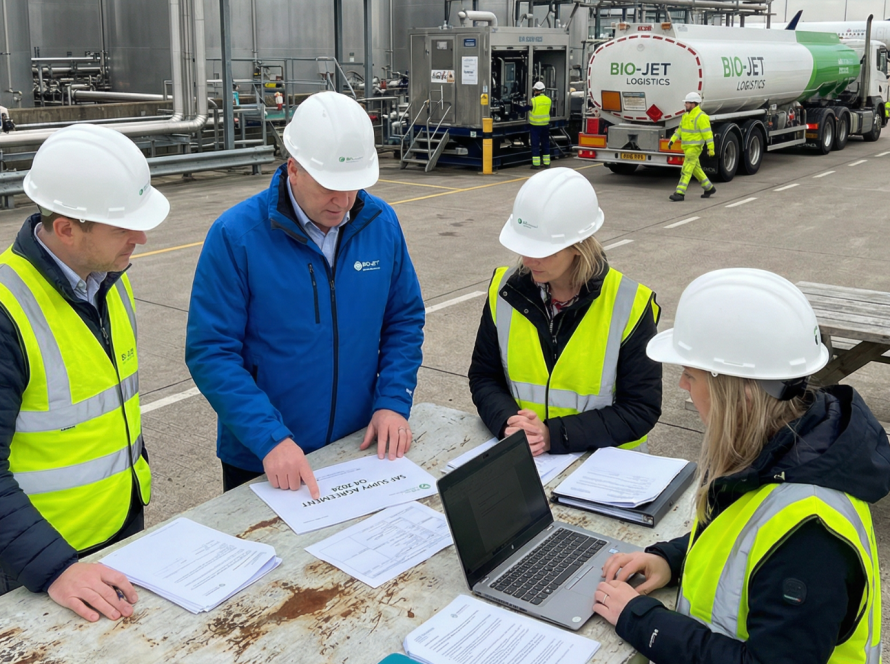

Brazil has taken a decisive step in its aviation decarbonization journey: Salvador Bahia Airport has become the country’s first airport to supply sustainable aviation fuel (SAF) for regular commercial operations. Starting in November 2025, the airport began delivering blended SAF for daily flights operated by two major Brazilian carriers, setting a new benchmark for sustainable aviation in Latin America.
This move positions Salvador Bahia as a regional pioneer, demonstrating how airports can act as enablers of low-carbon air travel by integrating SAF into their core fuel infrastructure and working closely with airlines, fuel suppliers, and local authorities to scale clean aviation solutions.
A Milestone for Brazilian Aviation
The introduction of regular SAF operations at Salvador Bahia marks a significant milestone for Brazil’s aviation sector. For the first time, a Brazilian airport is supplying SAF for scheduled commercial flights, rather than isolated demonstration flights or one-off initiatives.
Key features of the rollout include:
- SAF is supplied into the airport’s existing fuel system and blended with conventional jet fuel before being delivered to aircraft.
- The blend used is the highest proportion currently applied in Brazilian aviation, reflecting both technical readiness and regulatory alignment.
- The pure SAF component is produced from used cooking oil, a widely available waste feedstock that meets international sustainability criteria and delivers meaningful lifecycle greenhouse gas reductions.
While flight emissions remain under the airlines’ Scope 1 and the airport’s Scope 3, the use of SAF directly reduces the lifecycle emissions of each flight, providing a tangible, scalable lever for decarbonization.
Leading on Airport Sustainability
Salvador Bahia is already recognized as a regional leader in environmental performance. It was the first airport in the Americas to achieve the highest level of Airport Carbon Accreditation (ACA 5), reflecting its advanced practices in carbon management, energy efficiency, and emissions reduction.
The introduction of regular SAF operations further strengthens this leadership position and aligns with broader network-level goals to accelerate the energy transition across mobility infrastructure. More than 15 airports in the same network already offer SAF, and Salvador Bahia’s move reinforces the role of airport operators as critical enablers of sustainable aviation.
For C-suite leaders in aviation, infrastructure, and energy, this demonstrates that decarbonization is not just about aircraft and fuel-it is also about the ground infrastructure that supports them. Airports that proactively integrate SAF into their operations gain a competitive advantage in attracting airlines, meeting ESG expectations, and positioning themselves as hubs for low-carbon travel.
How SAF is Being Deployed
In Brazil, SAF is commercially distributed by a national fuel company, which supplies the renewable component to the airport’s fuel facilities. The SAF is then blended with conventional jet fuel to create a drop-in fuel that is fully compatible with existing aircraft engines and fueling infrastructure.
Two daily flights from Salvador Bahia now operate on a blend of 10% pure SAF and 90% conventional jet fuel. This blend ratio is currently the highest in regular Brazilian aviation operations and represents a practical, bankable step toward higher SAF uptake in the coming years.
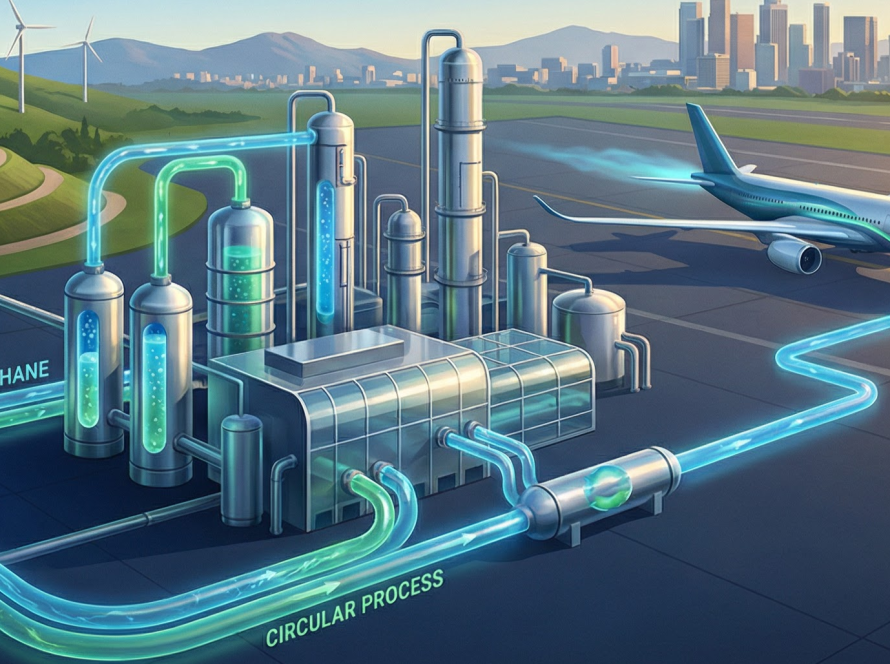
The use of used cooking oil as the primary feedstock is particularly strategic: it leverages an existing waste stream, avoids competition with food crops, and supports circular economy principles. As additional feedstocks and production pathways become available, the blend ratio and overall SAF share can be increased, further reducing the carbon intensity of air travel.
Strategic Implications for Airlines and Airports
For executives in aviation and infrastructure, Salvador Bahia’s SAF rollout offers several important lessons:
- Airports as decarbonization enablers
Airports that invest in SAF infrastructure and partnerships can become preferred hubs for airlines committed to sustainability, enhancing connectivity and commercial value. - Blended SAF as a near-term lever
Blended SAF is a proven, drop-in solution that works with existing fleets and infrastructure. For airlines, this means they can reduce lifecycle emissions today, without waiting for new aircraft or radical infrastructure changes. - Local feedstocks and circular models
Using waste-based feedstocks like used cooking oil creates a scalable, low-conflict pathway for SAF. This model can be replicated in other markets with strong waste collection and processing ecosystems. - Regulatory and ESG alignment
Regular SAF operations support compliance with emerging emissions regulations, CORSIA, and investor expectations on climate action, while also strengthening brand reputation and customer trust.
Broader Impact on Latin American Aviation
Salvador Bahia’s move is more than a local initiative-it is a signal to the entire Latin American aviation sector that SAF is ready for mainstream deployment.
For other airports and airlines in the region, this milestone:
- Provides a proven blueprint for integrating SAF into existing fuel systems.
- Demonstrates that regular SAF operations are technically and commercially viable.
- Encourages further investment in SAF production, distribution, and offtake agreements across the region.
Governments and regulators can build on this momentum by creating supportive policy frameworks, including incentives for SAF production, mandates for SAF blending, and support for waste-based feedstock supply chains.
Global momentum toward regular, commercial SAF deployment read more
What C-Suite Leaders Should Do Next
For executives in aviation, energy, and infrastructure, the key actions are:
- Assess airport readiness for SAF
Evaluate fuel infrastructure, storage, blending capabilities, and regulatory alignment to determine where SAF can be introduced in the near term. - Secure SAF offtake agreements
Work with fuel suppliers and airports to lock in SAF supply for key routes, ensuring continuity and scalability. - Engage in regional collaboration
Partner with other airports, airlines, and fuel producers to build regional SAF ecosystems, reducing costs and increasing resilience. - Integrate SAF into ESG and climate strategy
Position SAF as a core component of decarbonization plans, aligning with science-based targets, investor expectations, and customer demand for low-carbon travel.
Looking Ahead
Salvador Bahia’s introduction of regular sustainable aviation fuel operations is a landmark moment for Brazilian and Latin American aviation. It proves that SAF can move from pilot projects to daily commercial use, reducing emissions while maintaining operational reliability.
For C-suite leaders, this is a clear call to action: the low-carbon aviation transition is already underway on the ground. Those who act now to integrate SAF into their networks, partnerships, and strategies will not only reduce emissions but also secure a leadership position in the future of sustainable air travel.